loaderImage
loaderImage
icon-image
If you are a millennial, you were a teenager or younger when India opened its economy for business in the 1990s. The broader embrace of economic reforms meant structural changes in the stock market, too. New regulations ensured greater oversight and increased participation in investments. Since then, millennials' have quickly adapted to changes from analogue to digital. From filling up paper-based investment forms to using clunky computers, you are now able to manage your finances by merely tapping on your smartphone.
In the grand scheme, saving, investing, and retirement planning should be prioritised, but lifestyle expenses and indulgence somehow take centre stage. This leaves prospective investors with little to no money to invest in their future.

As a millennial, if you are stuck in a rut and your salary is over by the 10th of the month, then it is time to take control of your finances and make some changes to your lifestyle. Here's how you can do it:

Create a Balance Sheet

Here are a few things you need to do which will allow you to save enough to start investing:

Make a detailed list of our expenses- EMIs, groceries and utilities, loan repayment, credit card bills, and any other non-negotiable miscellaneous outgoing expenses. Deduct this
total amount from your in-hand salary. The amount you are left with is your eligible investment amount.

Do not save what is left after spending but spend what is left after saving—Warren Buffett. Think about this advice by the investment moghul and focus on investing what you have. Then, spend whatever you are left with on your lifestyle expenses, but only after your investment goals are met.

If you think the money you have is not enough, revisit your balance sheet and look for indulgent expenses that you can avoid. Tighten your budget where feasible and increase your eligible investment amount as high as possible for best results.

Identify Goals and Invest Towards Them

As a millennial, if you had invested in Suzuki shares in the mid 2000s, they were priced at around ₹173. Today the worth of the same shares is approximately ₹11,603 per share. This significant rise illustrates the benefits of long-term investing, wherein initial investments can provide considerable returns over time.
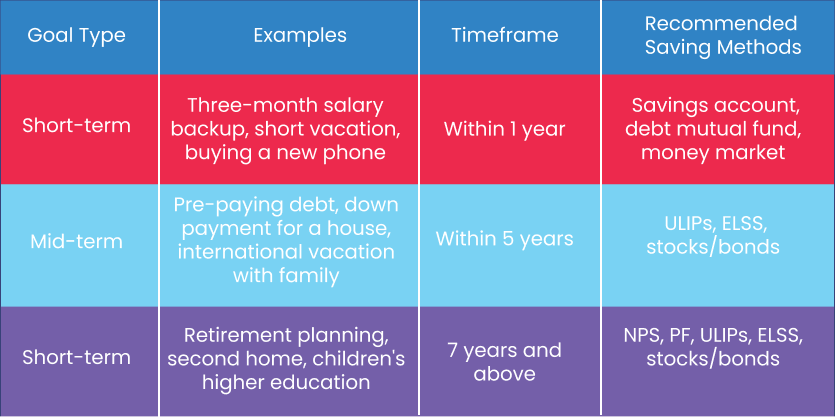
To ensure your goals are met, list them—short, mid, and long-term, and start separate investment funds for each.
icon-image
*The examples provided are strictly for illustration purposes only. Any returns, projections, or calculations shown are purely hypothetical and should not be considered as guaranteed outcomes or financial advice.


Set a fixed amount towards different goals every month, treat it like a non-negotiable expense, and transfer it to the savings account/investment fund as soon as you get your salary. Don't touch your investment until you hit your goal. With dedication and consistency, your goals will be on auto-debit and will be realised within their set timelines.

Jumpstart on Your Retirement Dreams

Retirement is a rosy dream only if there is financial provision for your senior years. Otherwise, it can turn into quite a nightmare. The only way to counter this is to invest in a retirement plan or a pension plan as early as possible. Though your expenses post-retirement will be less compared to what you spend now, the amount you spend will be much higher due to inflation.
icon-image
To understand your expenses post-retirement, use a retirement calculator, which will give you a detailed preview of your post-retirement expenses and how much you need to invest until your retirement to achieve it.

If you want a personal touch, reach out to an investment planner and explain your retirement goals and expectations, and they will find you the best retirement plan in India.

Don't Undermine Insurance

You invest to safeguard the well-being of yourself and your family; however, just investing for your goals will not help if you don't have insurance. You will have to dip into your savings and investments to tackle the expenses that come from emergency hospitalisations, disability, untimely passing, etc. This can leave your family and dependents in severe debt if proper provisions are not made for these expenses.

As a provider/parent, ensure you plan for your family’s financial well-being in your absence. Whether it is health insurance, life insurance, or term insurance, make sure their future is protected. Insurance gives you peace of mind, takes care of emergencies, and provides tax benefits, so consider it a win-win situation.

As one of the highest-paid segments in the industry, millennials should invest a large part of their income. If you haven't started planning for your retirement yet, then it's not too late; choose the best pension scheme in India that addresses your needs and get started for a peaceful retirement life.


https://www.bseindia.com/stock-share-price/maruti-suzuki-india-ltd/maruti/532500/

Disclaimer: T&C*

Investors are requested to perform their own due diligence before investing in any stock, securities, or financial instruments.

Past performance is not indicative of future results, and investments are subject to market risks.

The examples provided are strictly for illustration purposes only. Any returns, projections, or calculations shown are purely hypothetical and should not be considered as guaranteed outcomes or financial advice.

This material has been prepared for informational purposes only and does not constitute financial or investment advice. Readers are strongly advised to consult a certified financial advisor or consultant for personalised financial advice.


ARN: ED/03/25/22400